
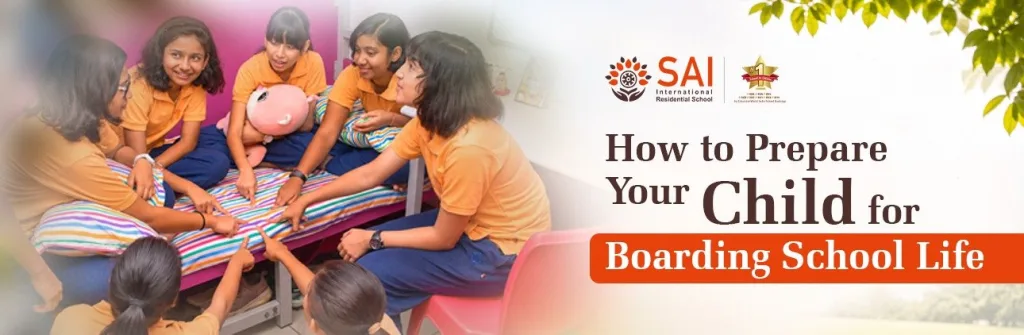
Sending a child to live away from home is a big step, for the child and for you. Most children feel a little nervous and so do most parents. The worry usually shrinks once the child knows what to expect. Good boarding school preparation isn’t one big talk the night before the move. It’s a handful of small steps spread over a few months.
Hence, it’s best to start preparing a few months early. You may start by talking openly with your child, teaching everyday skills like packing and managing time, visiting the campus together and agreeing on how you’ll stay in touch. This way, children settle faster as they know what’s coming ahead of them.
Having said that, now let’s look at it in a more detailed way:
Start With an Honest Conversation
Many parents ask about preparing child for boarding school and the first step is a simple conversation. Ask your child how they feel about the move and then actually listen. Some children are excited about sports and new friends. Others are quietly worried about missing home, the food or sleeping in a new room. Both reactions are normal and neither needs fixing straight away.
Try not to oversell the idea. If you promise it’ll be all fun, your child will feel let down the first time something goes wrong. Tell them the truth instead: there’ll be good days and hard days and missing home doesn’t mean something is wrong. Remember, a child who feels heard is far more likely to give the new place a fair chance.
If you’re not sure your child is ready yet, our post on whether your child is ready to be independent is a good place to check. And if you’re still weighing hostel against home, boarding school vs day school lays out the differences.
Build Everyday Skills at Home
Hostel life asks children to look after themselves more than they’re used to. That’s why child preparation for boarding school starts with practising daily life at home. So a few months before the move, try these:
• Let them pack their own school bag and keep their cupboard in order.
• Ask them to wake up with an alarm, not with your call.
• Teach basics like sorting laundry, folding clothes and keeping track of their books.
• Give them small choices, such as how to plan an hour of study.
Visit the School Before the Move
Seeing the place makes a big difference. Walk through the hostel, the dining hall and the sports areas together if you can. Meet a few teachers and the house staff who’ll be around your child every day. Ask your questions in front of your child so they hear the answers too.
It helps to ask how new students are settled in, who a child can go to when they’re upset, how meals are planned and what happens if a child falls ill. Ask how often you can speak to your child as well.
Talk About Homesickness Early
Almost every new boarder feels homesick at some point, often in the first few weeks. Tell your child this before they go so it doesn’t catch them off guard. Let them know it passes for most children and that talking about it helps.
Tell them it’s fine to tell a house parent or teacher when they feel low. A small reminder of home, like a family photo, can go in the bag. Encourage them to join a club or a sport in the first week because busy children tend to settle faster. And agree on a calling routine before you leave so your child knows when they’ll hear from you.
Try not to say “you can come back whenever you want,” and try not to leave in tears. Children pick up on a parent’s feelings very quickly. A calm, warm goodbye works much better than a long, emotional one.
Get the Practical Side Ready
Read the school’s packing list carefully and label every item with your child’s name. Pack clothes for the season, extra socks and innerwear, toiletries, a water bottle and any medicines the doctor has prescribed. Share your child’s health details, allergies and food needs with the school before day one, not after.
It also helps to set up a study routine at home a few weeks earlier. Hostels follow a fixed daily schedule so a child who already sleeps and studies at regular hours adjusts much faster.
Stay Connected Without Hovering
Once your child has moved, your role changes a little. Stay in touch but let them grow. Call at the agreed times instead of ten times a day. Ask about small things, like what they ate, who they sat with and what made them laugh and not only about marks. If your child complains, listen first, then check the facts with the school before reacting. Most early problems are small so let the children sort them out within a few weeks.
Do watch for things like poor sleep, a lost appetite or a child going very quiet. Share these with the staff early.
Conclusion
Boarding school preparation works best when it’s gradual. Talk honestly, build everyday habits, visit the campus, plan for homesickness and stay connected in a balanced way. Do that and your child walks into hostel life with a lot more confidence.
At SAI International Residential School, we try to make that first step gentler for every child and every parent. We’re a CBSE boarding school with full residential education for students from Class IV to XII so there’s a settled routine for children coming in from different cities and backgrounds. Boys and girls have separate hostels, looked after by House Masters and House Wardens with guards and wardens on duty round the clock and CCTV across the campus. The rooms are air-conditioned; there are sitting lounges and laundry is done on campus which takes some everyday pressure off a new child.
Care doesn’t stop at the hostel door. Our infirmary has doctors and trained nurses; every student has a health card and parents are told immediately if a child needs medical attention. Meals come from a professional kitchen under a nutritionist’s supervision. Evenings and weekends leave room for sports, music, art and clubs, along with a swimming pool and tennis court which helps children make friends quickly.
Admissions are open for 2027-28 for Classes IV to IX and XI. If you’d like to see the hostels and meet our team first, write to admissions@sirs.edu.in or apply at sirs.edu.in/admission-enquiry.