Bringing Structure to Evaluation
Student performance is assessed against clearly defined learning outcomes.
Tracking Individual Achievements and Progress
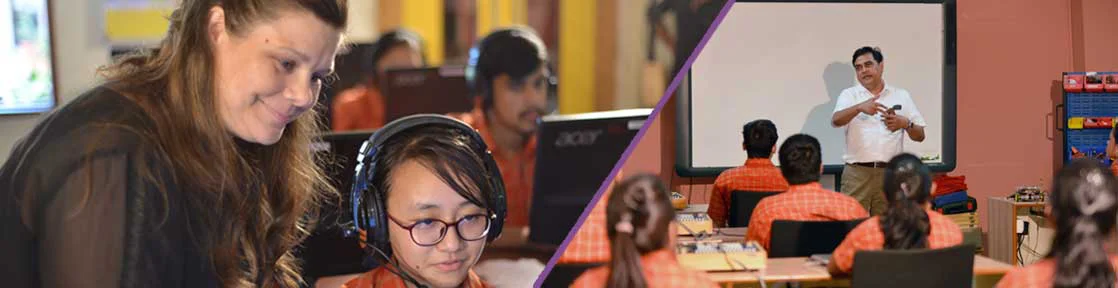
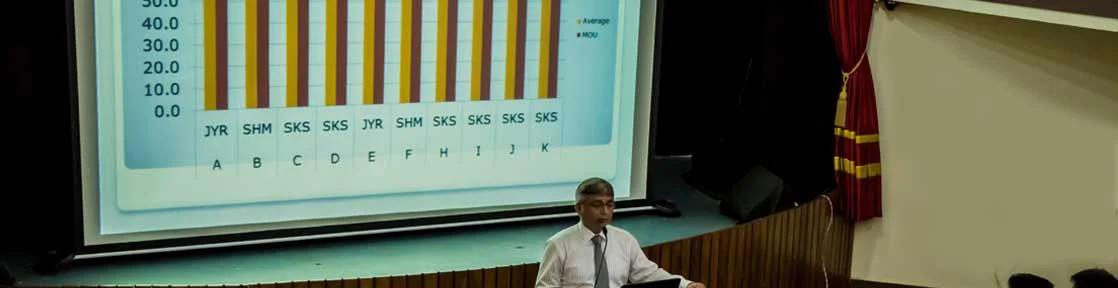
A customised software system, SAMS, has been developed to track students’ academic records and automate the generation of report cards based on each student’s skills and abilities. The software calculates results according to predefined formats. It provides graphical representations of students’ achievements and the individual goals they set for themselves. It helps monitor each student’s progress in individual subjects and extracurricular activities through weekly, monthly and summative assessments. The school follows a systematic procedure to assess student performance using standardised criteria.

The reporting process involves reflecting on each student’s learning, providing purposeful feedback on performance and setting new learning goals using international academic benchmarks that support rigorous teaching and learning. Individual goal-setting challenges students to reach their potential. Parents are informed of their child’s progress through detailed student reports and meetings involving students, parents and teachers. At these meetings, students explain their progress using portfolios containing samples of their work linked to their learning targets.
Qualitative Learning Measured Accurately
Student performance criteria are based on End-of-Course (EOC) or End-of-Year (EOY) assessments that measure cumulative learning over a course or an academic year. This ensures that grades reflect students’ mastery and retention of the most important subject content and skills. Wherever possible and appropriate, student performance is measured by progress in learning. Attainment-based measures are used only where necessary and appropriate. All measures of student learning are based on assessments aligned with the curriculum for the relevant subject and grade.