SMART INFRASTRUCTURE FOR SMARTER LEARNING
Smart Schooling Technology has changed the way teaching and learning happens and school administration functions. Smarter ways have made teaching and learning more innovative, productive, motivating, and interesting. We at SAI International Residential School (SIRS) believe that smart schooling technology ensures holistic development of the students, besides ensuring their safety. Our green-campus aims to make environmental awareness and action an intrinsic part of the life and ethos of the children. The initiative mirrors the principles of green-schools and endeavors to extend learning and develop responsible attitudes and commitment to the environment at the school, at home and in the wider community.
Smart Classrooms
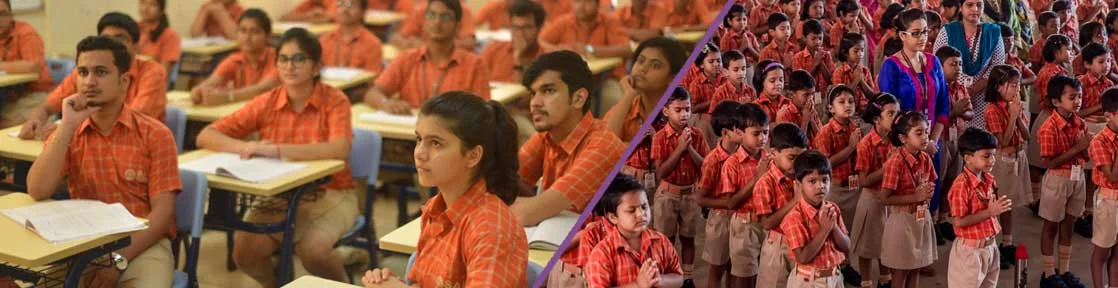
SAI International Residential School believes in a comprehensive approach to digital education that connects learning at school, at home, at work and through play. Interactive, visually engaging modules make learning more interesting and help students engage with technology.
Auditorium
The school's auditorium features modern lighting, digital sound and ample seating. It also serves community groups and organisations. This multipurpose space accommodates celebrations, assemblies, seminars, drama, choir and orchestral performances, and many other activities.
Library
The school library supports teaching and learning while encouraging innovation, curiosity and problem-solving. Its varied collection caters to students' needs and interests, with newspapers, magazines, course-related books, autobiographies, encyclopaedias, storybooks, novels and bestsellers. The library provides access to over 18,000 resources, including books, music CDs, audio CDs, magazines and online resources. Computers, Wi-Fi and printing facilities are also available to students.
IT Centre
The IT Centre has over 300 computers and multimedia equipment. It helps students find information for activities, competitions and projects. Each student has an individual account and uses the computers during designated hours. Supervisors and faculty members oversee the facilities and ensure responsible use.
Resource Centre
The resource centre supports the use of computers in teaching and helps staff make effective use of the school network. It prepares digital photographs, videos and other teaching materials using a range of software. The centre also advises and assists departments in developing websites that provide syllabus information, examination requirements, revision materials, extension activities and links to useful online resources. The computer-based resources department arranges video and data projectors for classrooms so that digital materials can be displayed during lessons.
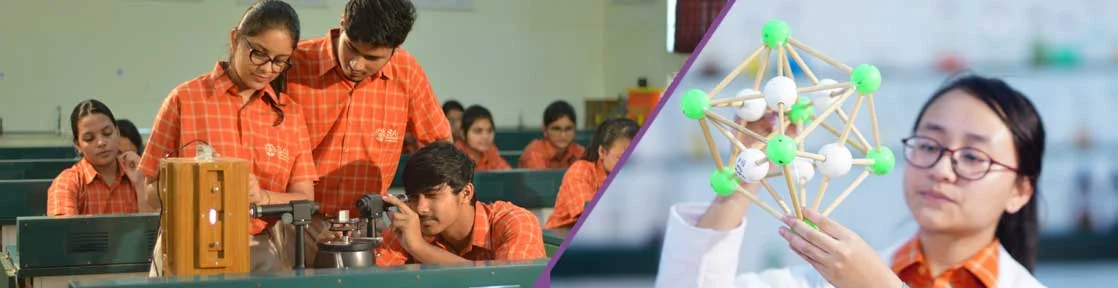
SAI International Residential School has well-equipped specialist laboratories and learning spaces for physics, chemistry, biology, robotics, digital maths, astronomy, international languages, music, art, dance, sports and entrepreneurship. Qualified trainers and technicians support students in these facilities. Safety is a priority: staff and faculty receive appropriate training and are familiar with relevant safety equipment and procedures.
Sports and Games
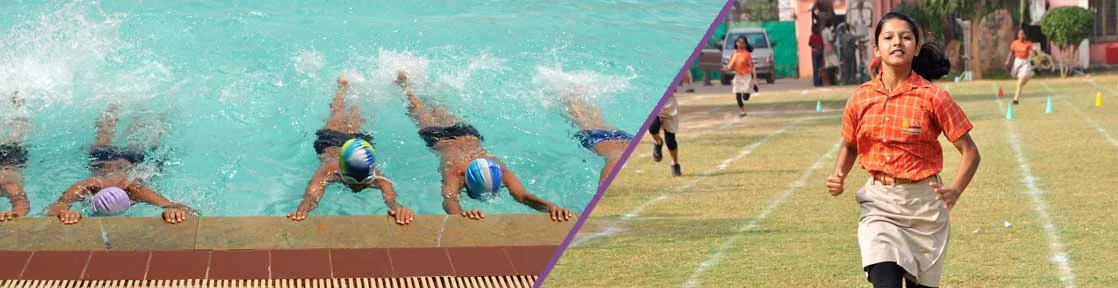
SAI Sports & Games Academy combines theoretical knowledge with practical training in sports education. Students with an interest and aptitude for sports receive guidance from trained coaches to develop their abilities in their chosen disciplines. Programmes use varied training methods to improve performance and help each SAIoneer discover their strengths. Students are encouraged to choose physical activities that support their fitness and well-being. Training builds fundamental skills and supports continued development, whether students are beginners or experienced athletes. Coaches combine discipline with encouragement to help students work towards individual and team goals.
Activity Rooms
Activity rooms give students opportunities to explore activities and interact in small groups. Games, arts and crafts, and story sacks support individual, small-group and large-group learning. These spaces also accommodate movement activities, with support from the physical education teacher when needed.
Kitchen & Cafeteria
A professional external catering service prepares students' meals in a hygienic kitchen. The menu includes North Indian, South Indian, Continental and Chinese dishes, along with a variety of snacks. A well-lit, ventilated and spacious dining hall serves students and staff. Faculty members dine with students and guide them in healthy eating habits and table etiquette.
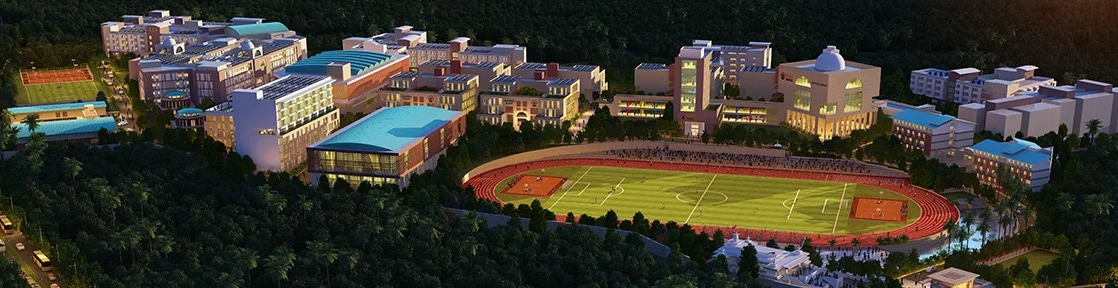
SIRS - A Green Campus
SAI International Residential School's green campus aims to make environmental awareness and action an integral part of students' lives and values. Following the principles of green schools, the initiative extends learning beyond the classroom and encourages responsible attitudes and a commitment to the environment at school, at home and in the wider community.
Building Architecture
The SIRS building is designed to work in harmony with natural features and resources. Classroom ventilation supports indoor air quality. Windows allow natural light into the building, while light-coloured interiors create a welcoming environment. Using daylight also reduces reliance on artificial lighting and helps lower energy costs.
SIRS uses low-emitting materials, including dust-free chalk and eco-friendly housekeeping products. Safe cycling paths and footpaths encourage greener transport, while eco-friendly vehicles help reduce carbon dioxide emissions.
Water Recycling
Wastewater management: A dual-plumbing system supports water recycling. Water-saving fixtures, including low-flush toilets and low-flow showerheads, help conserve water.
Rainwater harvesting: Rainwater is collected and stored for reuse on the premises.
Electricity
Natural light is supplemented by LED lighting. Solar energy is used for lighting and water heating.
Planting and Gardening
SIRS works to conserve the campus green belt. Teachers and students help maintain medicinal plants and a vegetable garden using natural manure, contributing to a greener community.
Food and Cooking
The school kitchen has separate areas for cooking, storage and washing. Safety measures include raised cooking platforms, fire-resistant materials, suitable ventilation, drainage and waste disposal. Cooking practices conserve fuel while ensuring the safe storage and handling of ingredients, fuel and equipment. Menus are planned to meet students' nutritional needs, and hygienic cooking methods help preserve nutrients. Kitchen waste is composted for use in the campus gardens.
Noise Levels
Good acoustic design improves speech clarity and limits background noise. At SIRS, improved acoustics support a productive learning environment and help teachers be heard without straining their voices.
Biodiversity
SIRS works to conserve the natural environment around the campus and involves students in protecting and enriching it. Recycling bins at designated locations allow materials such as glass, paper, cans and plastic to be separated. Nature trails encourage students to appreciate and care for their surroundings.